The Thought Process of Architects: From Problem Identification to Design Collaboration
- Wihan Scholtz
- Jan 27
- 4 min read

Architecture shapes the spaces where we live, work, and connect. Yet, before the first line is drawn or a model built, architects engage in a deep process of understanding. They ask what the project truly needs, why it matters, and how it can best serve its users. This thoughtful approach goes beyond aesthetics or trends. It involves identifying the real problems, not just the obvious ones, making small but crucial technical decisions, and working closely with engineers, builders, and clients. This post explores how architects think through these steps to create meaningful, practical designs.

Understanding What, Why, and How Before Sketching
The first step in any architectural project is to clarify the what: What is the building's purpose? What functions must it serve? Architects spend time gathering information, asking questions, and listening carefully. This phase often involves site visits, client interviews, and environmental analysis.
Next comes the why: Why does this building need to exist? Why should it be designed in a particular way? This helps uncover the deeper goals behind the project, such as sustainability, community impact, or cultural significance.
Finally, the how: How can the design effectively meet these goals? This includes considering materials, construction methods, and user experience.
By focusing on these questions first, architects avoid rushing into sketches that might miss the mark. For example, in a recent community center project, the architectural team discovered that the main need was not just a large gathering space but flexible rooms that could accommodate various activities. This insight shaped the entire design approach.

Identifying Real Problems Versus Visible Ones
One of the biggest challenges architects face is distinguishing between surface issues and underlying problems. What looks like a simple fix might hide a more complex need.
For instance, a school renovation project initially focused on improving classroom natural light. However, after further analysis, the architects realized that the real problem was poor air circulation, which was affecting student concentration. Addressing ventilation became a priority, resulting in a healthier, more comfortable learning environment.
This process requires careful observation and sometimes challenging assumptions. Architects use tools such as user surveys, environmental studies, and behavioral analysis to uncover these hidden issues. The result is a design that solves the right problems, not just the obvious ones.

How Small Technical Decisions Impact User Experience
Every detail in a building affects how people interact with it. Small technical choices can make a big difference in comfort, safety, and usability.
Take the example of door handles. Choosing a handle that is easy to grip and positioned at the right height can improve accessibility for all users, including children and people with disabilities. Similarly, selecting the right type of window glazing can control heat gain and reduce glare, enhancing comfort without sacrificing natural light.
In one office building project, the architects decided to use a specific type of flooring material that reduced noise levels. This seemingly minor decision improved employee concentration and reduced stress.
These examples show that thoughtful technical decisions contribute to a better overall experience, even if they go unnoticed by most users.
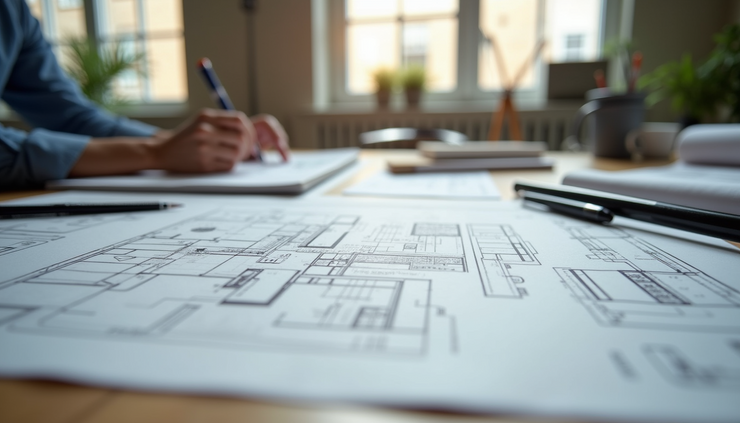
Architects carefully review blueprints and models to refine design details.
Simplifying Designs for Better Outcomes
Complex designs can be impressive but often lead to higher costs, construction challenges, and maintenance issues. Architects aim to simplify where possible, focusing on clarity and function.
Simplification means stripping away unnecessary elements and focusing on what truly matters. This approach can make buildings easier to use, more durable, and more adaptable over time.
For example, a residential project incorporated simple geometric forms and straightforward materials. This not only reduced construction time but also created a timeless aesthetic that required less upkeep.
Simpler designs also help communicate ideas clearly to clients and builders, reducing misunderstandings and errors during construction.
Architecture as a Collaborative Effort
Architecture is rarely a solo endeavor. It involves a team of professionals working together toward a shared vision.
Engineers ensure the building is safe, stable, and efficient. They handle structural, mechanical, and electrical systems.
Builders bring the design to life, managing construction logistics and craftsmanship.
Clients provide the vision, goals, and feedback that guide the project.
Effective collaboration means architects must communicate clearly, listen actively, and coordinate closely with all parties. For example, in a hospital project, architects worked with engineers to integrate advanced HVAC systems that met strict health standards while maintaining patient comfort.
This teamwork ensures that designs are practical, buildable, and aligned with client needs.

Thoughtful Choices in a Complex Environment
Architecture happens in a complex environment filled with constraints: budgets, regulations, site conditions, and user needs. Architects navigate these challenges by making thoughtful, practical choices.
Every decision balances competing factors. For example, choosing between cost and quality, or between aesthetics and functionality. The goal is to create buildings that serve people well, stand the test of time, and respect their surroundings.
This process requires patience, creativity, and a clear understanding of priorities. It also means being open to feedback and willing to adapt.


Comments